
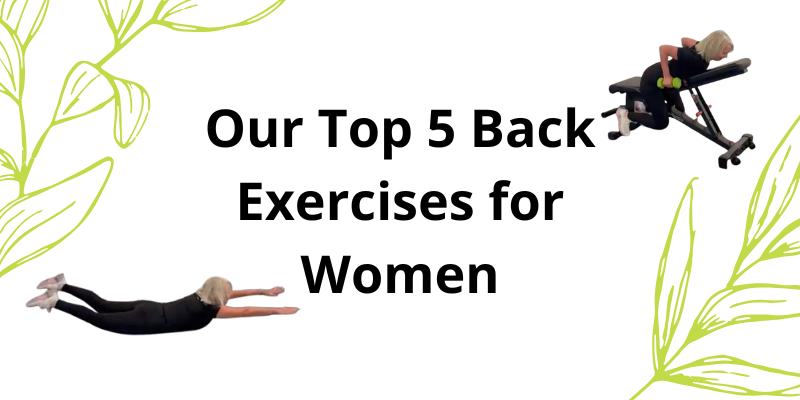
Back Muscles: What They Are, Why We Train Them, and 5 Effective Exercises
The back is one of the most important areas of the body to strengthen, yet it’s often overlooked in favour of more visible muscles like the arms or abs. A strong back supports posture, improves movement, helps prevent injury, and plays a major role in overall strength and stability.
Whether your goal is better posture, reduced aches and pains, improved gym performance, or simply feeling stronger in daily life, back training should be a key part of your routine.
What are the back muscles?
The back is made up of several muscles that work together to support the spine, stabilise the shoulders, and control pulling movements.
Some of the main back muscles include:
- Latissimus dorsi (lats) – the large muscles that create width in the back
- Trapezius (traps) – supports posture and shoulder movement
- Rhomboids – help pull the shoulder blades back
- Erector spinae – support and stabilise the spine
Together, these muscles help with:
- Pulling movements
- Posture and spinal support
- Shoulder stability
- Lifting and carrying tasks
Why do we train the back?
Back training is about far more than appearance. Strong back muscles are essential for both performance and everyday health.
1. Improved posture
Weak back muscles can contribute to rounded shoulders and poor posture, especially for people who spend long periods sitting at desks or driving.
2. Reduced risk of injury
A stronger back helps support the spine and improves stability during lifting, bending, and twisting movements.
3. Better upper-body strength
Most pulling exercises rely heavily on the back muscles. Strengthening them improves performance in rows, pull-ups, deadlifts, and many functional movements.
4. Everyday function
Your back works constantly during daily tasks like lifting shopping bags, carrying children, pulling doors open, or picking things up from the floor.
Five effective back exercises
1. Bent Over Row
The bent over row is a classic back exercise that targets the muscles of the upper and middle back while also engaging the shoulders and arms.
How to Perform:
- Hold a dumbbell in each hand and hinge forward from the hips with a slight bend in the knees.
- Keep your back flat and your core engaged.
- Pull the weights towards your ribcage, squeezing your shoulder blades together before lowering slowly.
Benefits:
- Strengthens the upper and middle back.
- Improves posture by encouraging shoulder stability.
- Supports pulling movements used in daily activities.
2. Single-Arm Dumbbell Row
The single-arm dumbbell row is a highly effective exercise that targets the latissimus dorsi, rhomboids, and upper back muscles while also helping to improve balance and coordination.
How to Perform:
- Place one hand a knee on a bench, keeping your back flat and core engaged.
- Hold a dumbbell in the opposite hand with your arm fully extended.
- Pull the dumbbell towards your hip, squeezing your shoulder blade before lowering with control.
Benefits:
- Strengthens the lats and upper back muscles.
- Helps improve posture and upper body stability.
- Allows each side of the body to work independently, helping to correct muscle imbalance.
3. Chest Supported Dumbbell Row
The chest supported dumbbell row is an effective exercise for building strength in the upper and middle back. By supporting your chest on a bench, you can focus on engaging the back muscles with placing unnecessary strain on the lower back.
How to Perform:
- Lie face down on an incline bench holding a dumbbell in each hand.
- Let your arms hang straight down beneath your shoulders.
- Pull the dumbbells towards your sides, squeezing your shoulder blades together before lowering slowly.
Benefits:
- Strengthens the upper and middle back muscles.
- Reduces stress on the lower back compared to standing row variations.
- Improves posture and overall upper body strength.
4. Superman
The Superman is a simple bodyweight exercise that targets the lower back while also engaging the glutes and core.
How to Perform:
- Lie face down on the floor with your arms extended in front of you.
- Simultaneously lift your arms, chest, and legs slightly off the ground.
- Hold briefly before lowering back down slowly.
Benefits:
- Strengthens the lower back muscles.
- Improves spinal stability and control.
- Requires no equipment, making it suitable for all fitness levels.
5. Reverse Fly
The reverse fly is an excellent exercise for targeting the upper back and rear shoulder muscles, helping to counteract the effects of prolonged sitting and poor posture.
How to Perform:
- Hold a light dumbbell in each hand and hinge forward at the hips.
- Keep a slight bend in your elbows.
- Raise your arms out to the sides until they reach shoulder height, then lower slowly.
Benefits:
- Strengthens the upper back and rear shoulders.
- Improves posture and shoulder stability.
- Helps balance pushing exercises such as chest presses and push-ups.
Final Thoughts
Building a stronger back is about more than appearance. It helps improve posture, supports daily movement, enhances athletic performance, and contributes to overall body strength and stability.
By incorporating exercises such as row variations, supermans, and reverse flys into your routine, you can effectively target all areas of the back and develop a balanced, stronger upper body.
Remember, consistency is key. Start with weights and resistance levels that feel comfortable, focus on good technique, and gradually increase the challenge over time. Your back works hard for you every day so giving it the attention it deserves can have lasting benefits for both fitness and everyday life.
Much Love
Caroline & Hannah xx
www.wfitness.co.uk